TIMBERLIGHT
地區 ⎯ 新北市
年份 ⎯ 2026
空間 ⎯ 15 坪
攝影 ⎯ 60.
有些家的故事,從拿到鑰匙的那一刻開始。
而有些,早在我們相遇以前,就已經悄悄有了輪廓。
第一次見面以前,我們先收到了一份簡報。
裡頭沒有艱澀的設計語彙,卻細細整理著他們喜歡的風格、生活的習慣,以及對未來的家,一個又一個具體而微小的期待。
我們反覆看了幾次。
也慢慢發現,那其實不只是一份「需求」。
而是兩個人對未來生活的想像。
喜歡什麼、在意什麼;
平常會在哪裡停留、東西習慣放在哪裡;
什麼樣的空間讓他們覺得舒服,又希望回到家時,感受到什麼。
於是第一次坐下來討論時,我們沒有急著談風格。
反而聊了很久的生活。
因為比起決定一面牆該用什麼材質,我們更想先知道,
住在這個家裡的人,會怎麼度過每一天。
後來,設計才真正開始。
我們重新梳理格局,推敲每一道動線,
也一次次想像著未來生活真正發生之後的模樣。
早晨走出房門時,光會從哪裡進來;
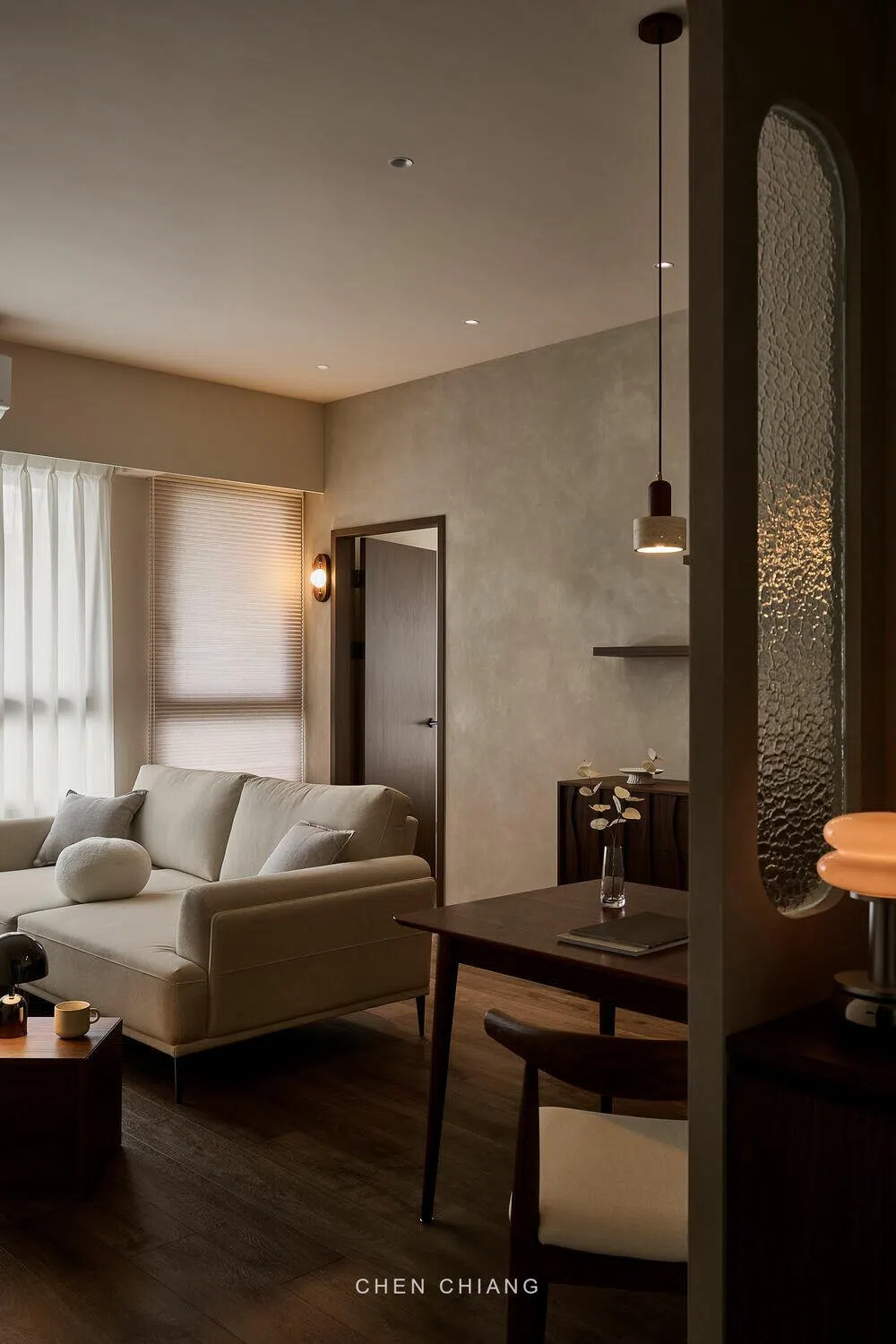
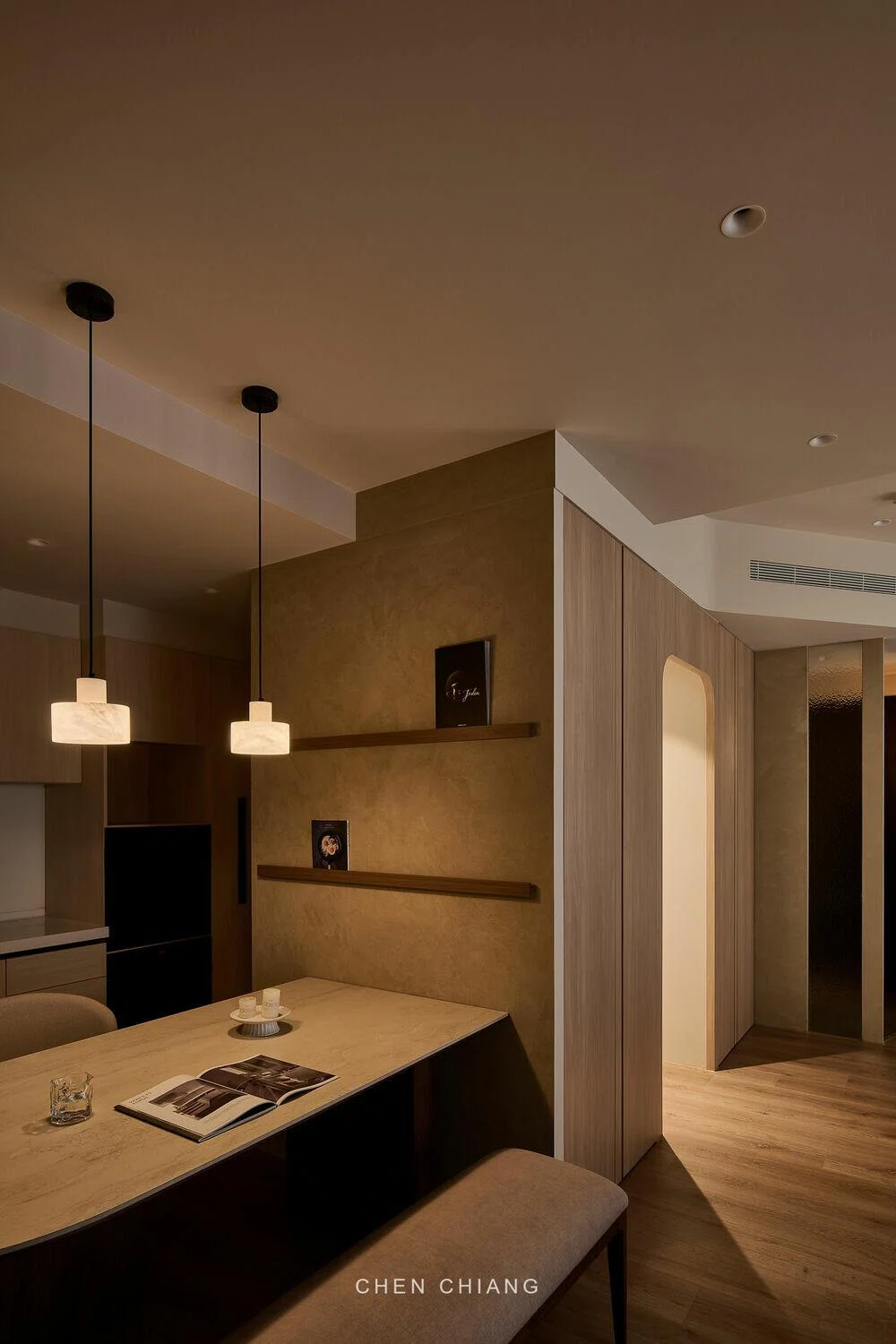
坐在餐桌旁,視線會停留在哪裡;
回到家放下手中的東西,下一個動作會是什麼。
那些看似微不足道的片刻,反而成為我們一次次調整設計的理由。
因為一個家真正被使用的時間,遠比它被觀看的時間更長。
我們想留下的,也從來不只是一個「好看的空間」。
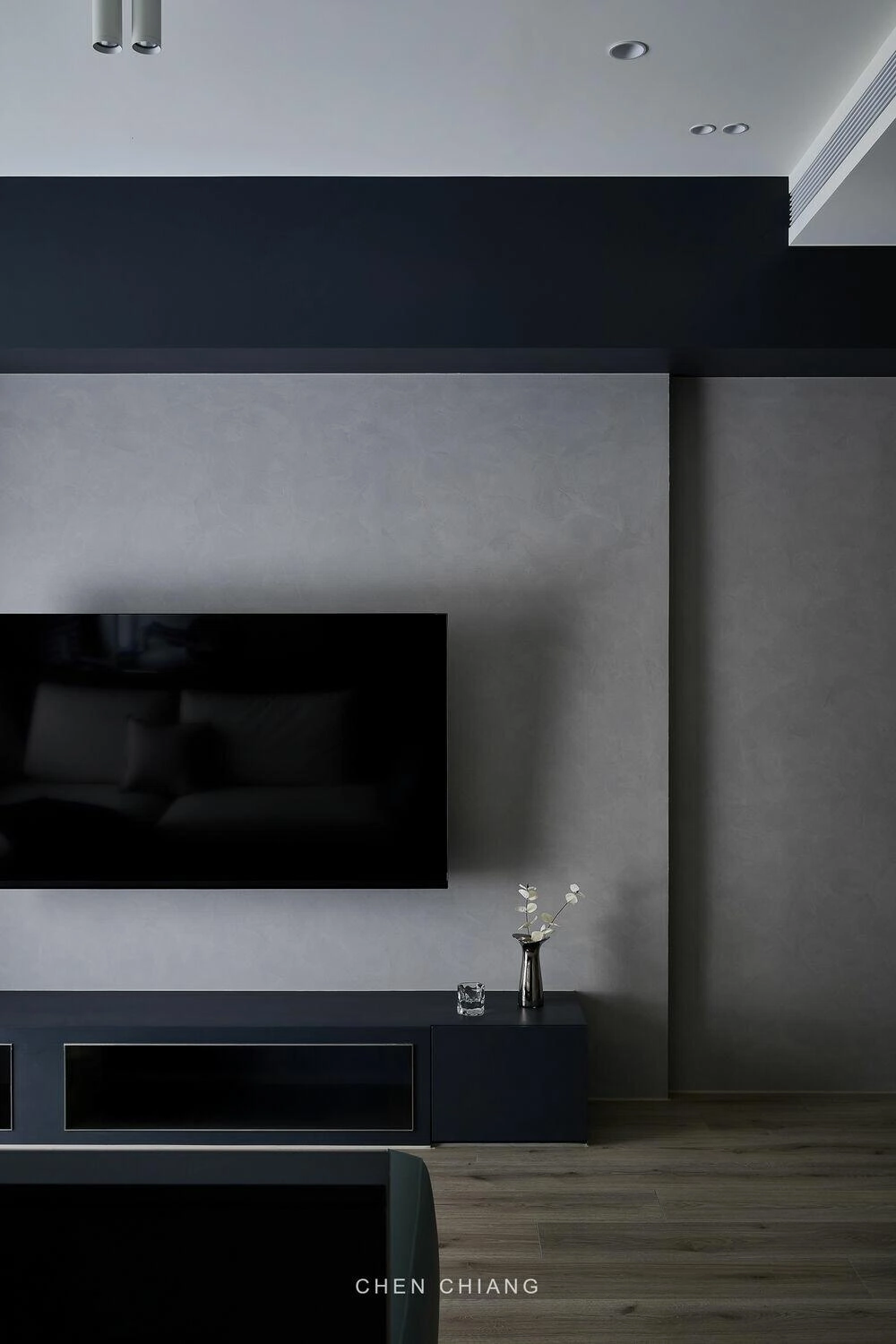
隨著圖面逐漸完整,我們開始一起尋找屬於這個家的質地。
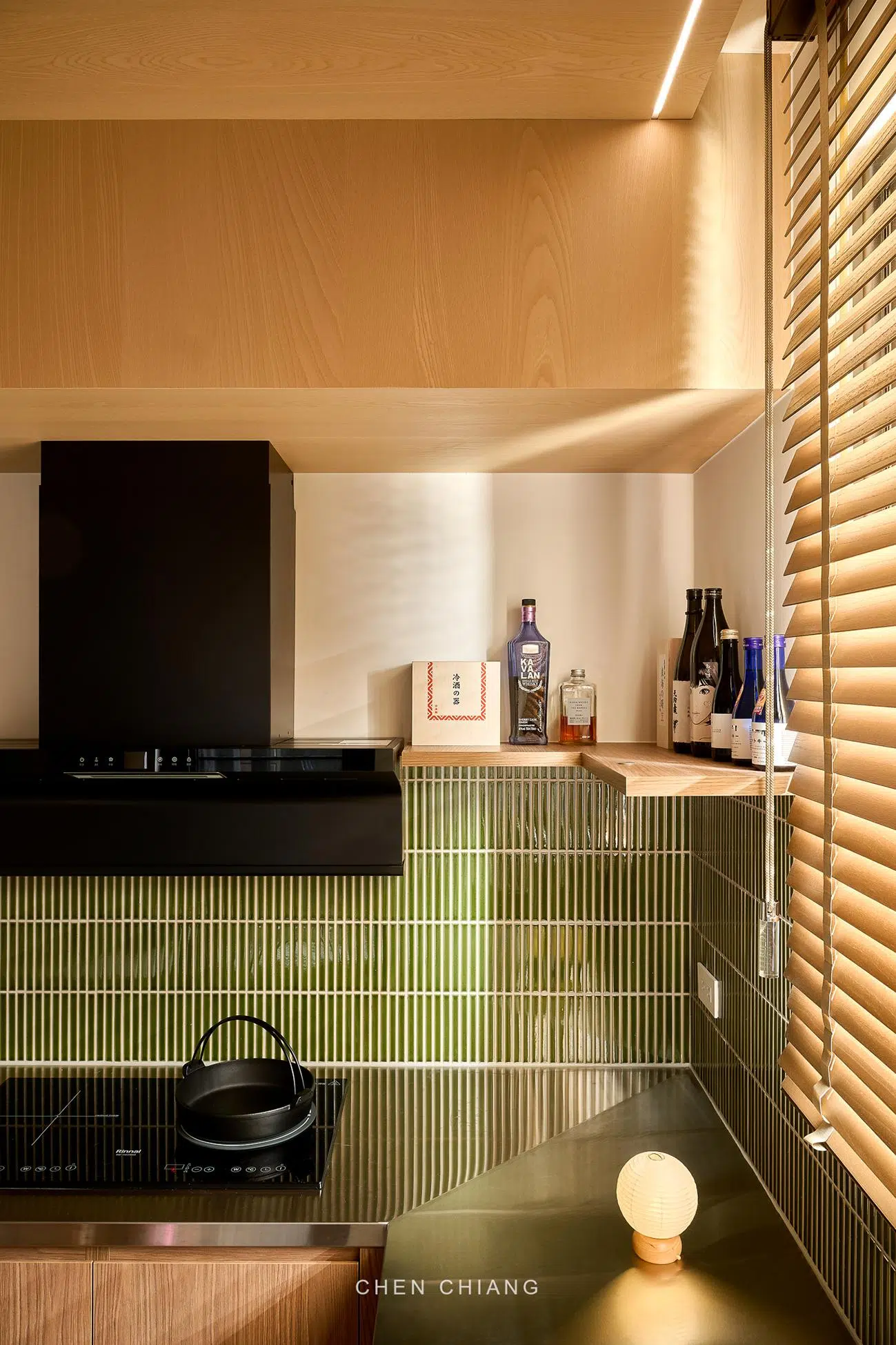
看地板、挑壁磚、摸過一片又一片材質;
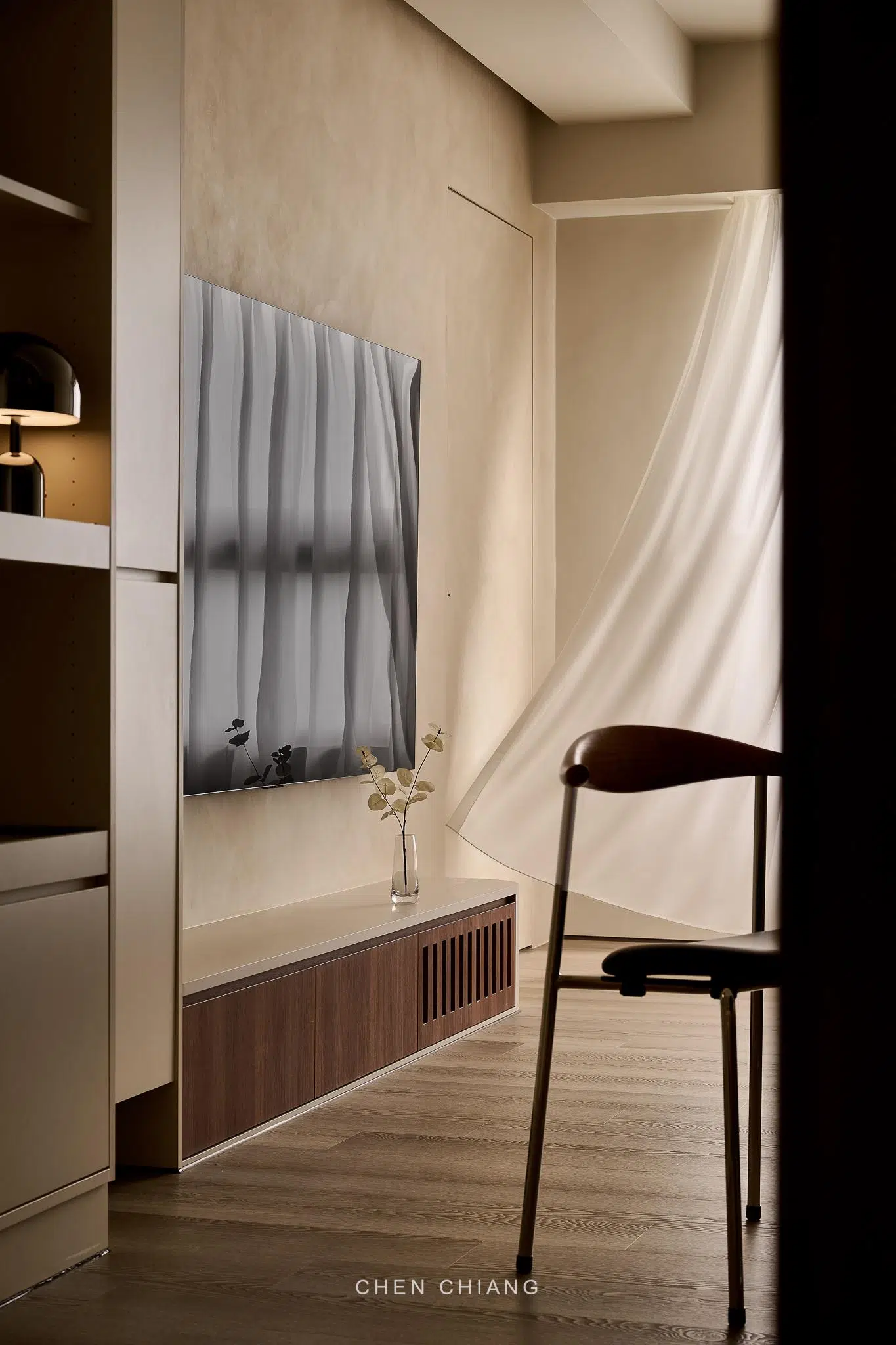
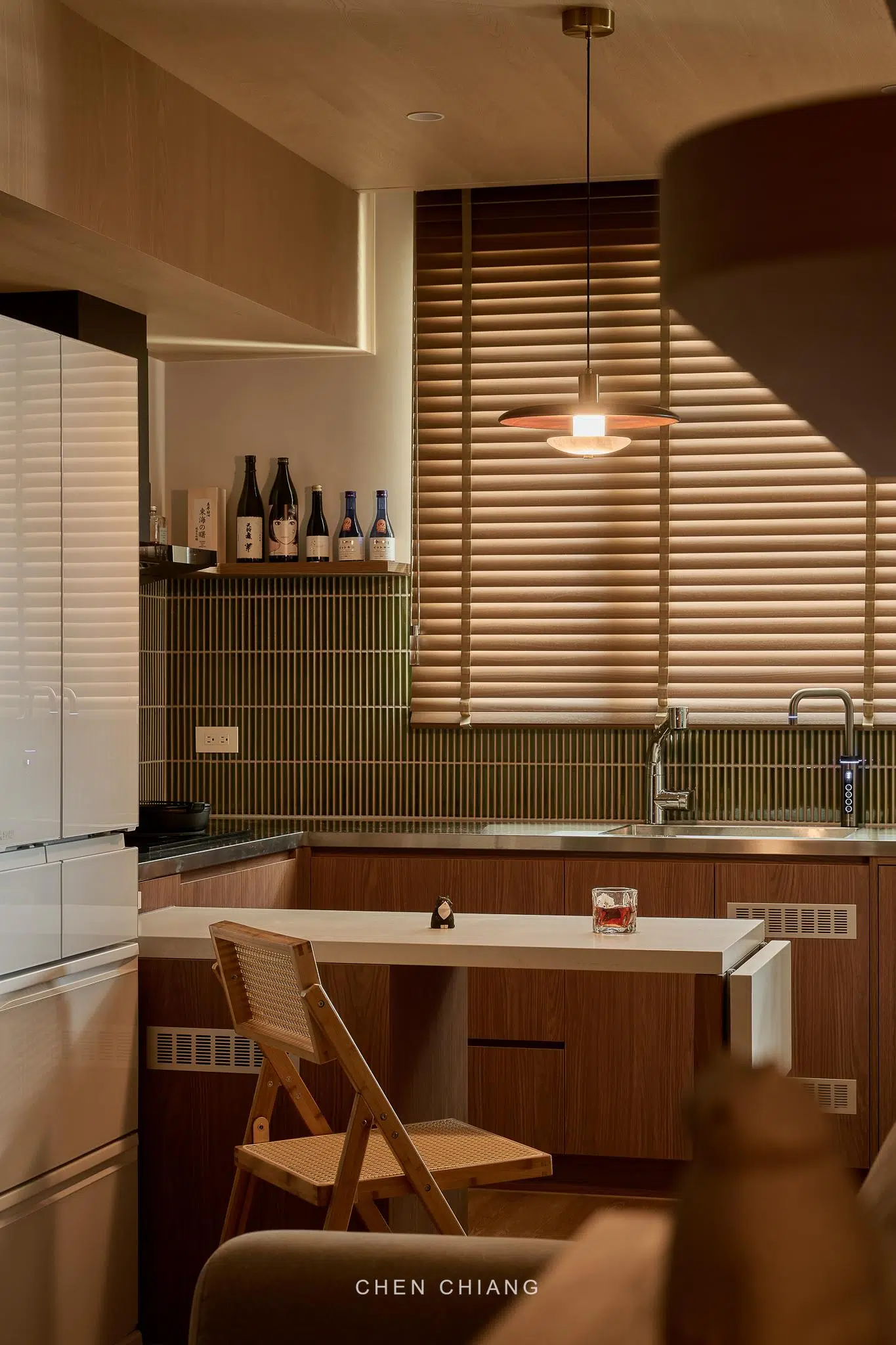
討論窗簾垂下來的份量、燈光亮起時的色溫,
也一起思考家具真正進入空間之後,每一處比例是否依然舒服。
設計也在這些來來回回的選擇裡,一點一點變得清晰。
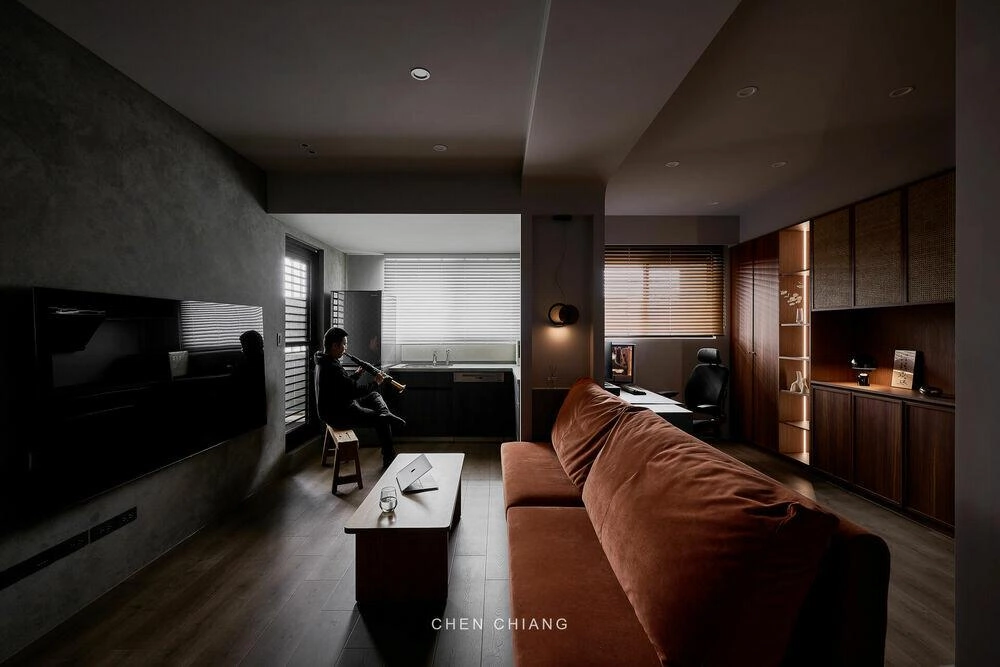
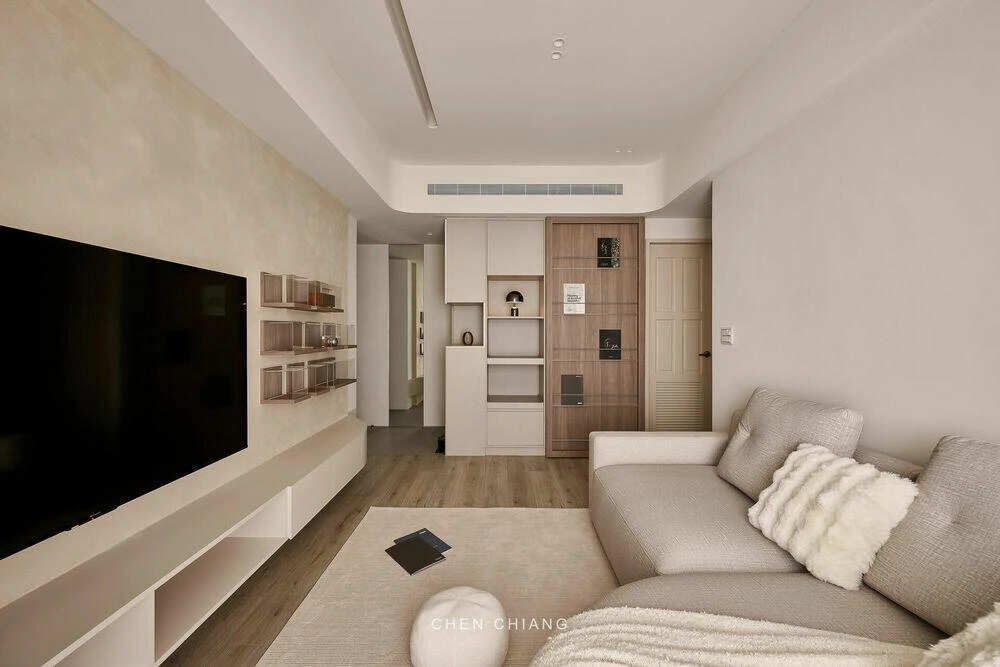
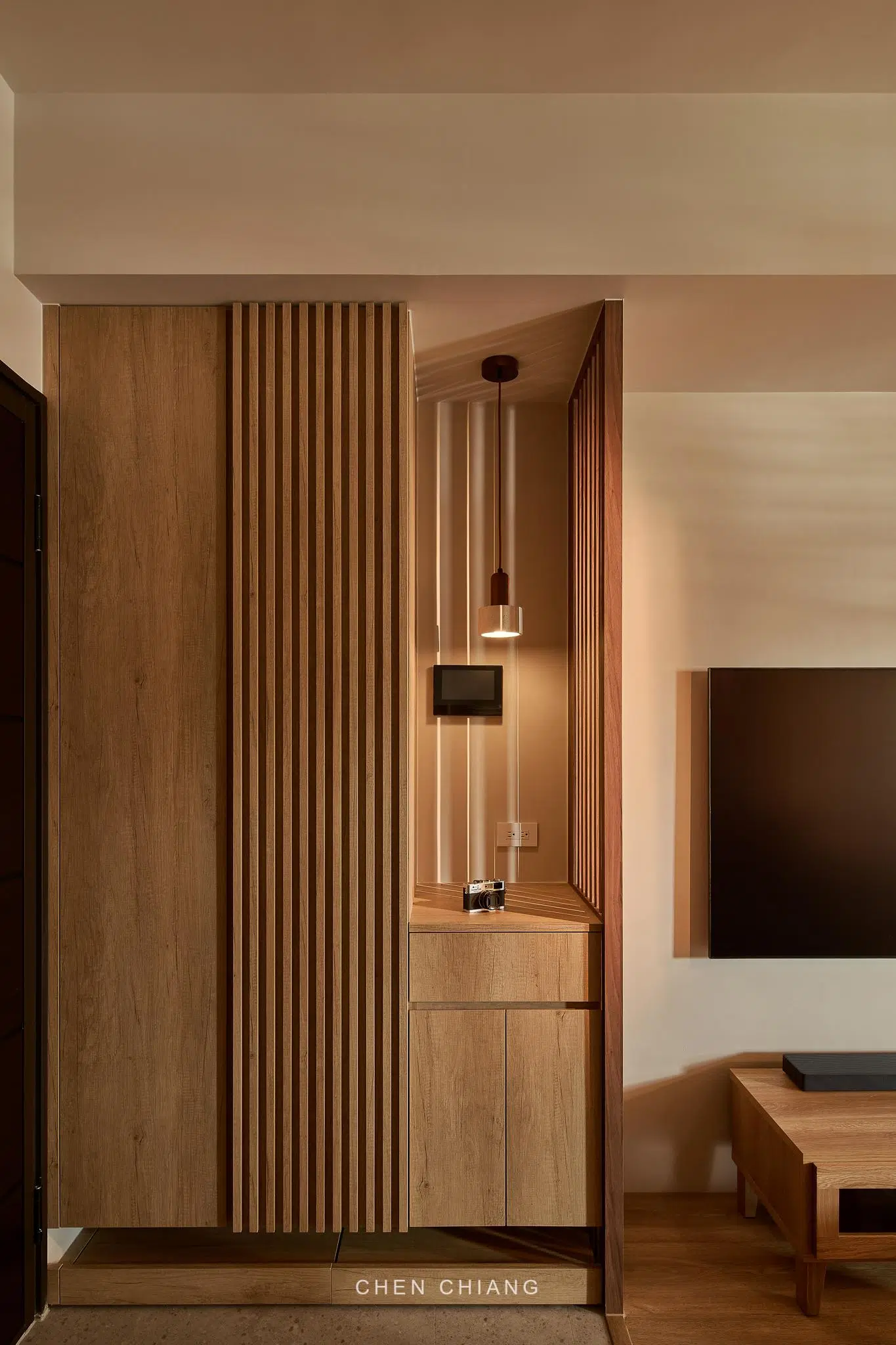
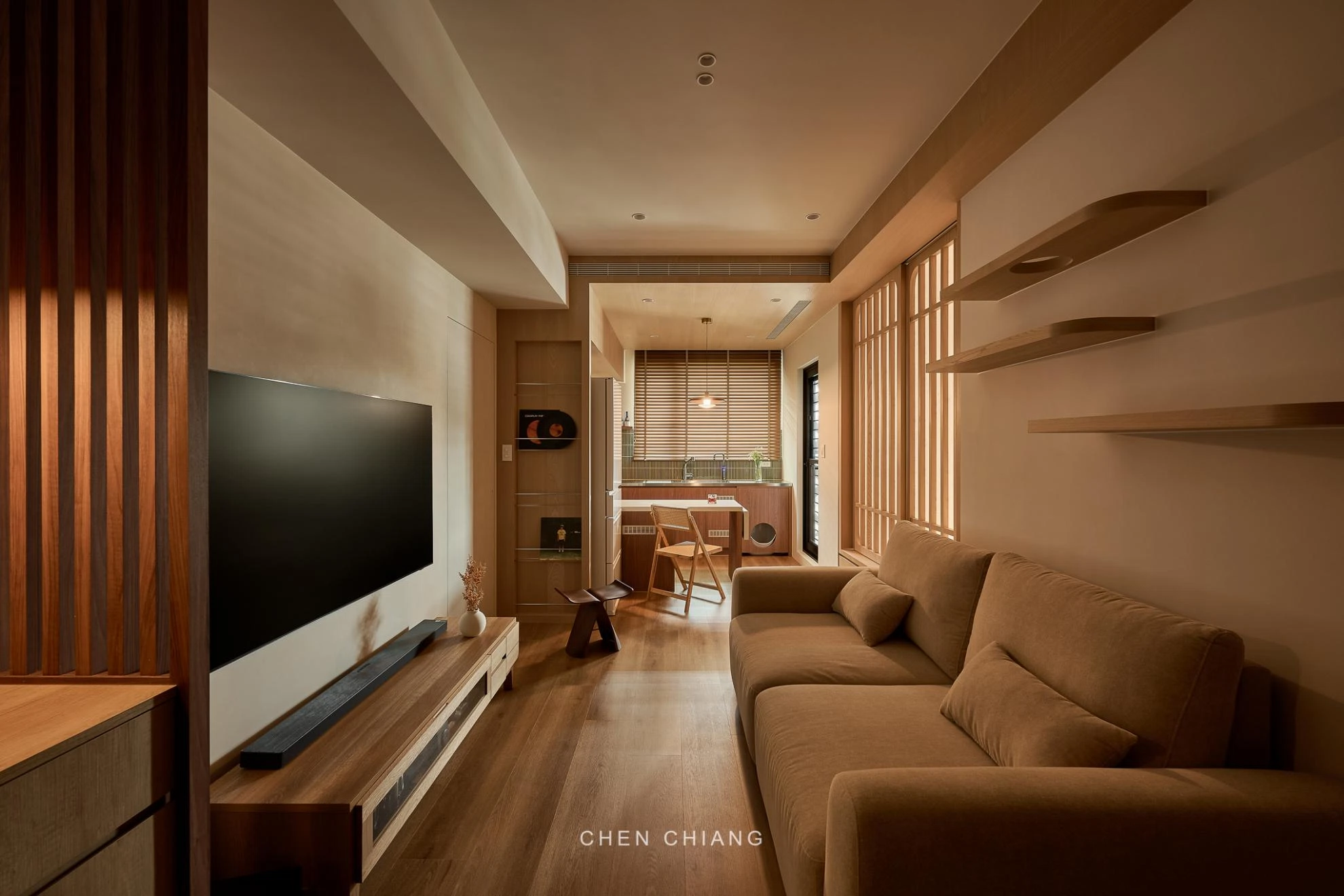
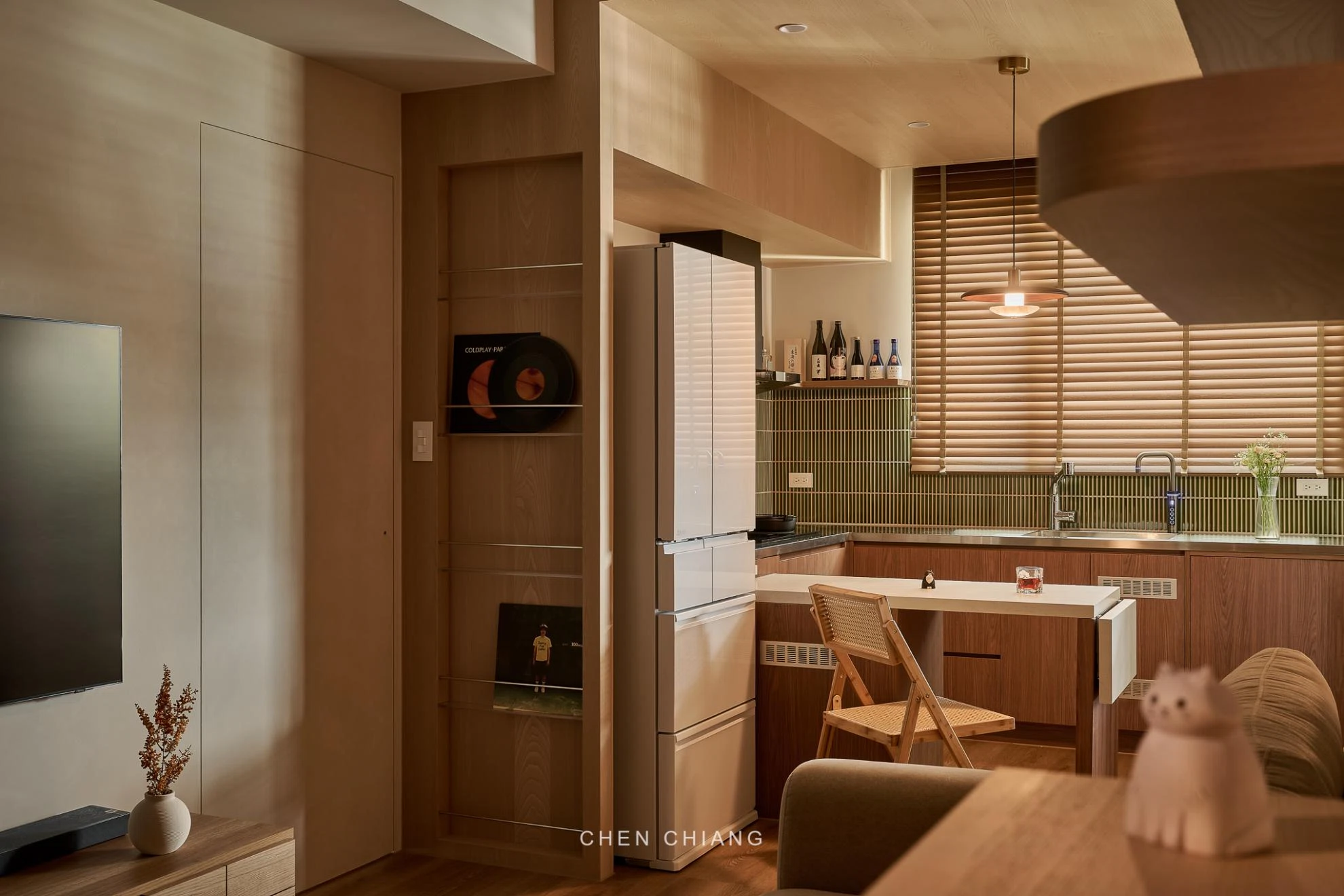
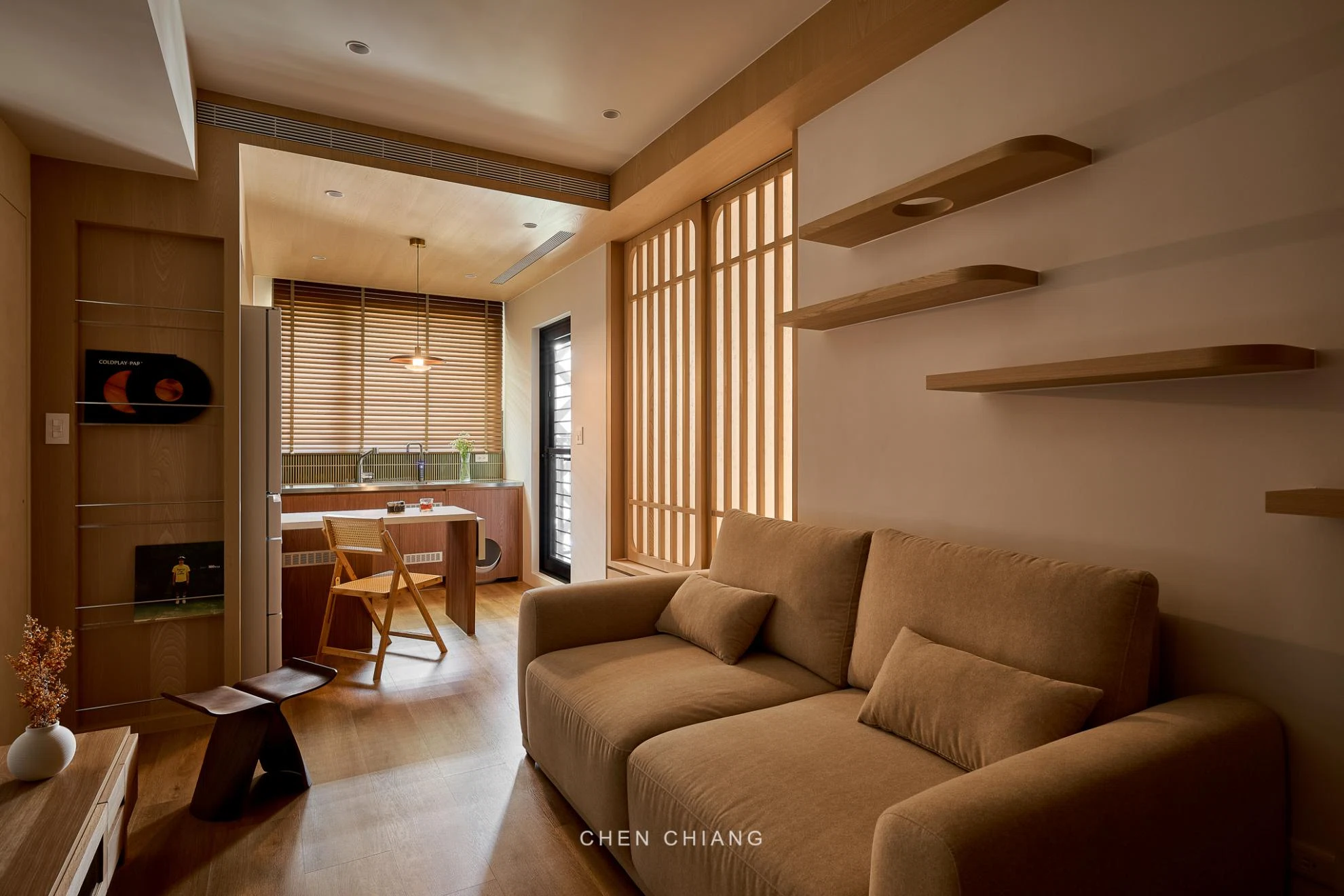
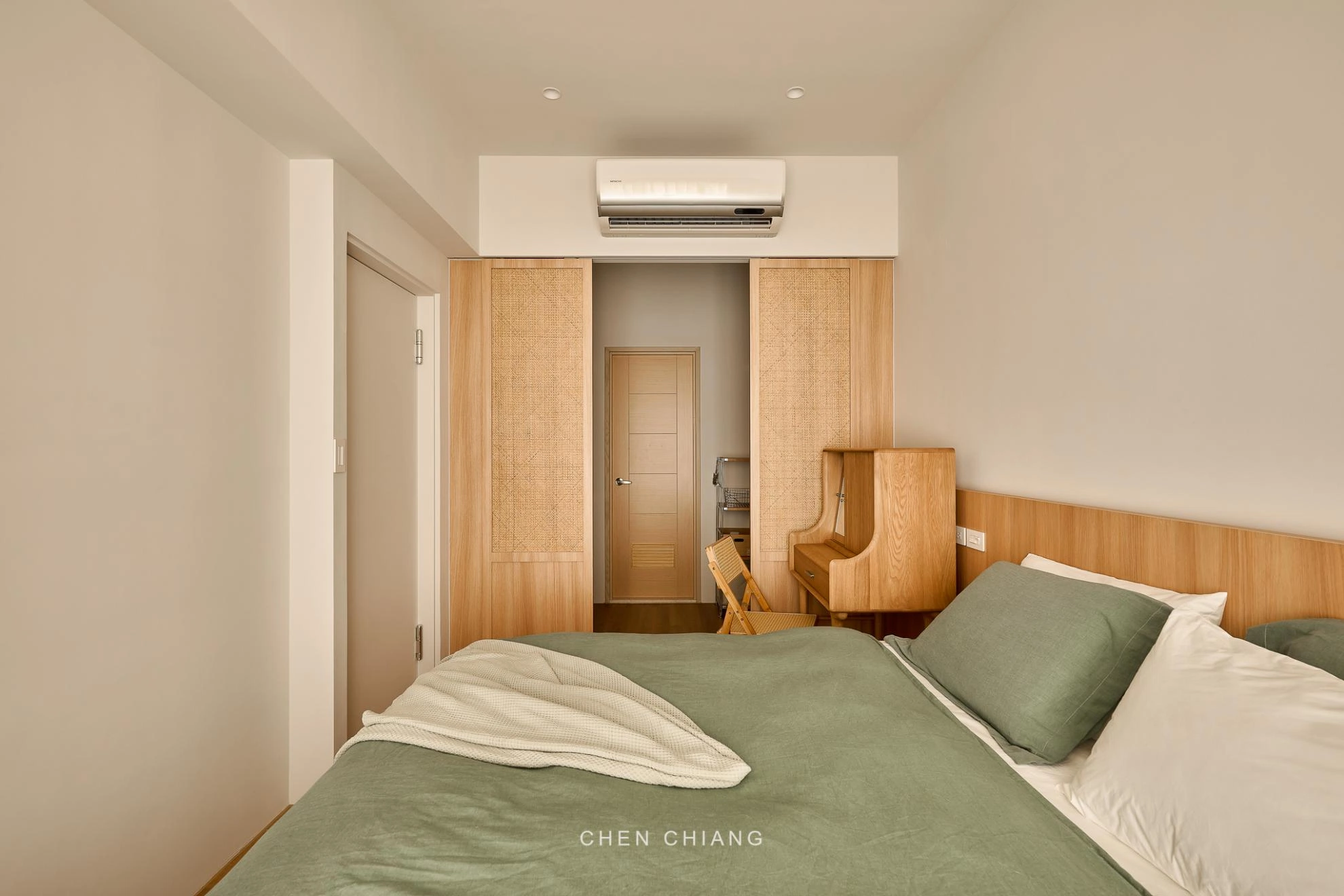
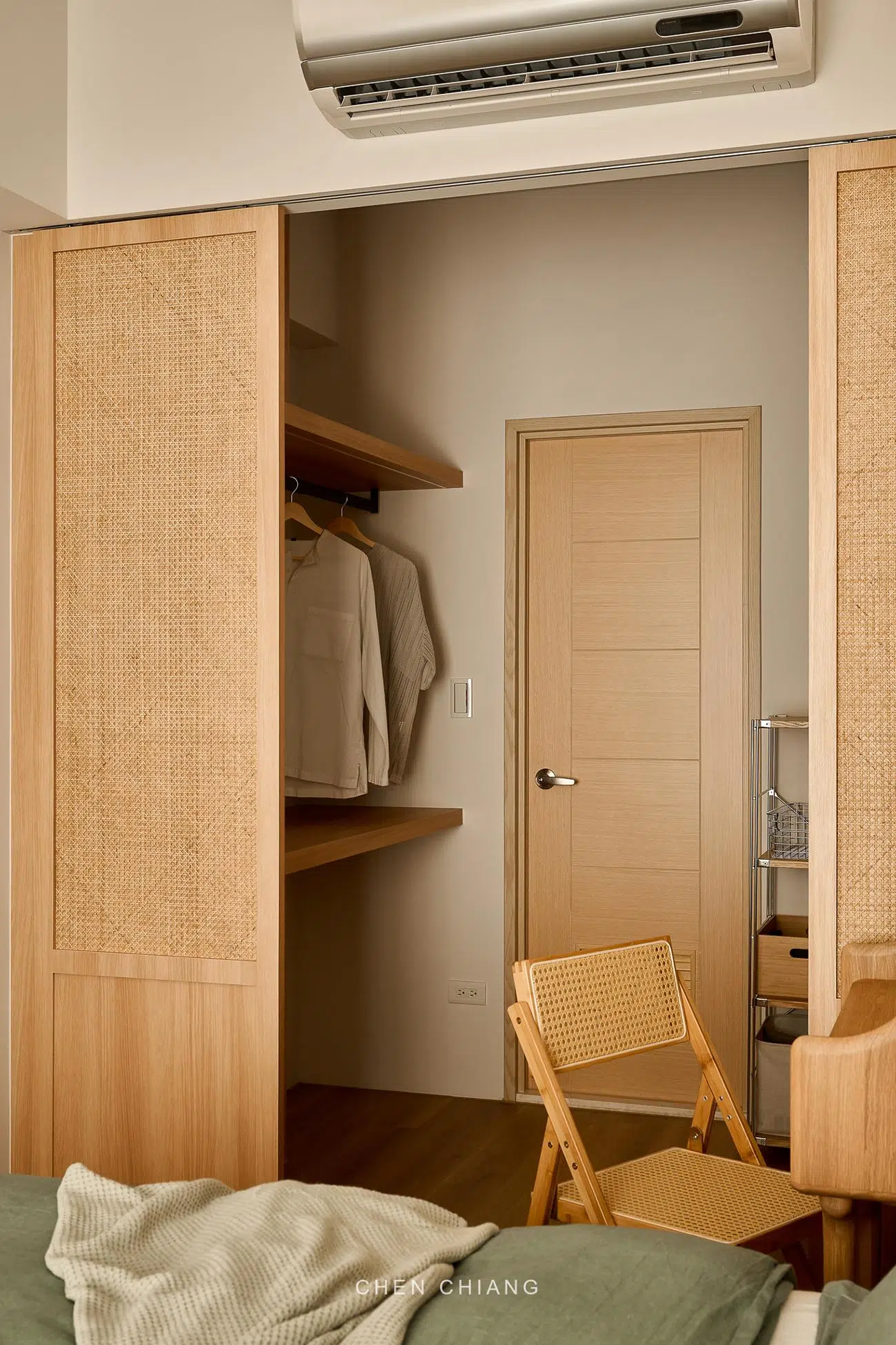
最後,我們留下了大量溫潤的木。
讓木色沿著空間延伸,串起不同的生活場域;
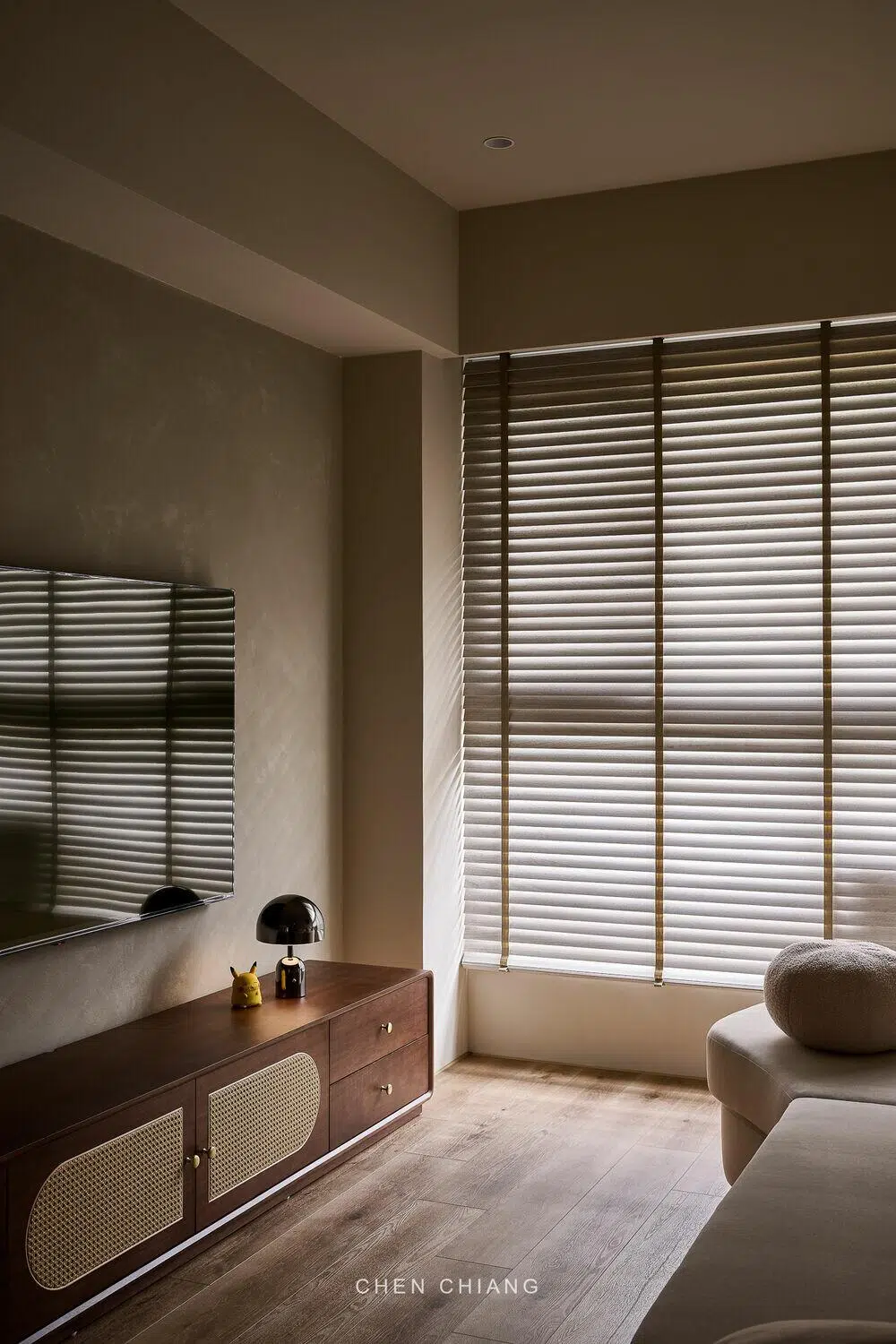
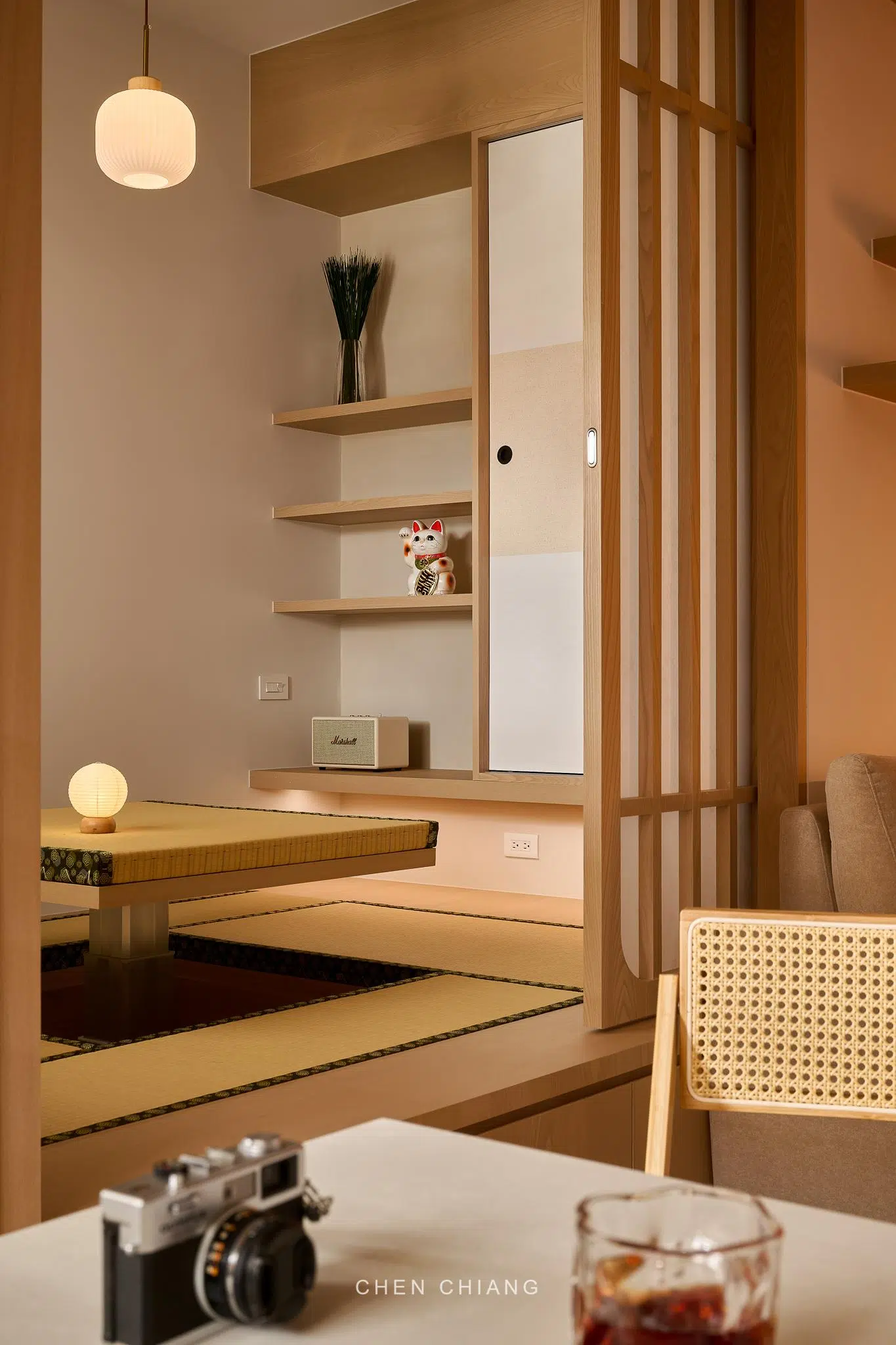
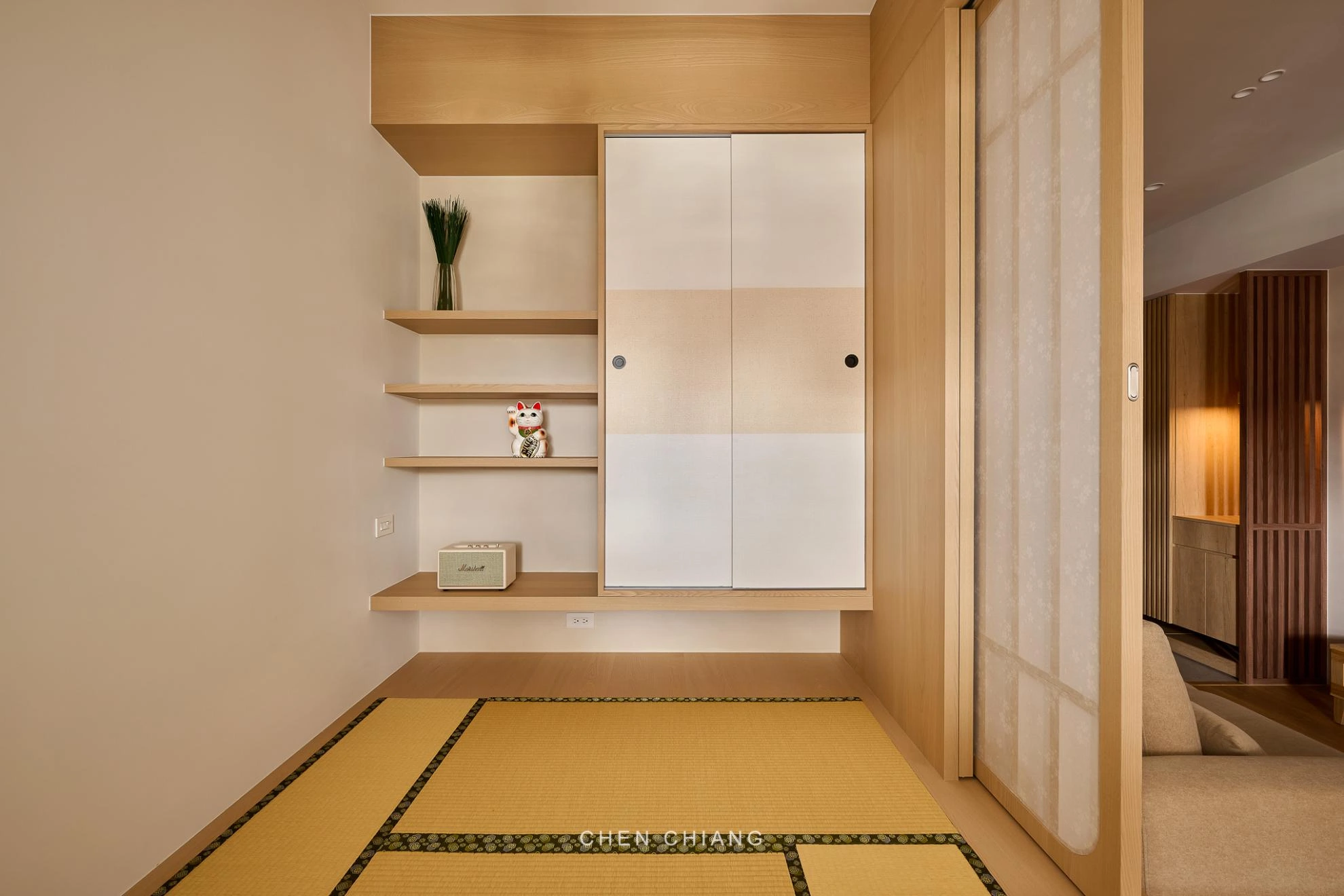
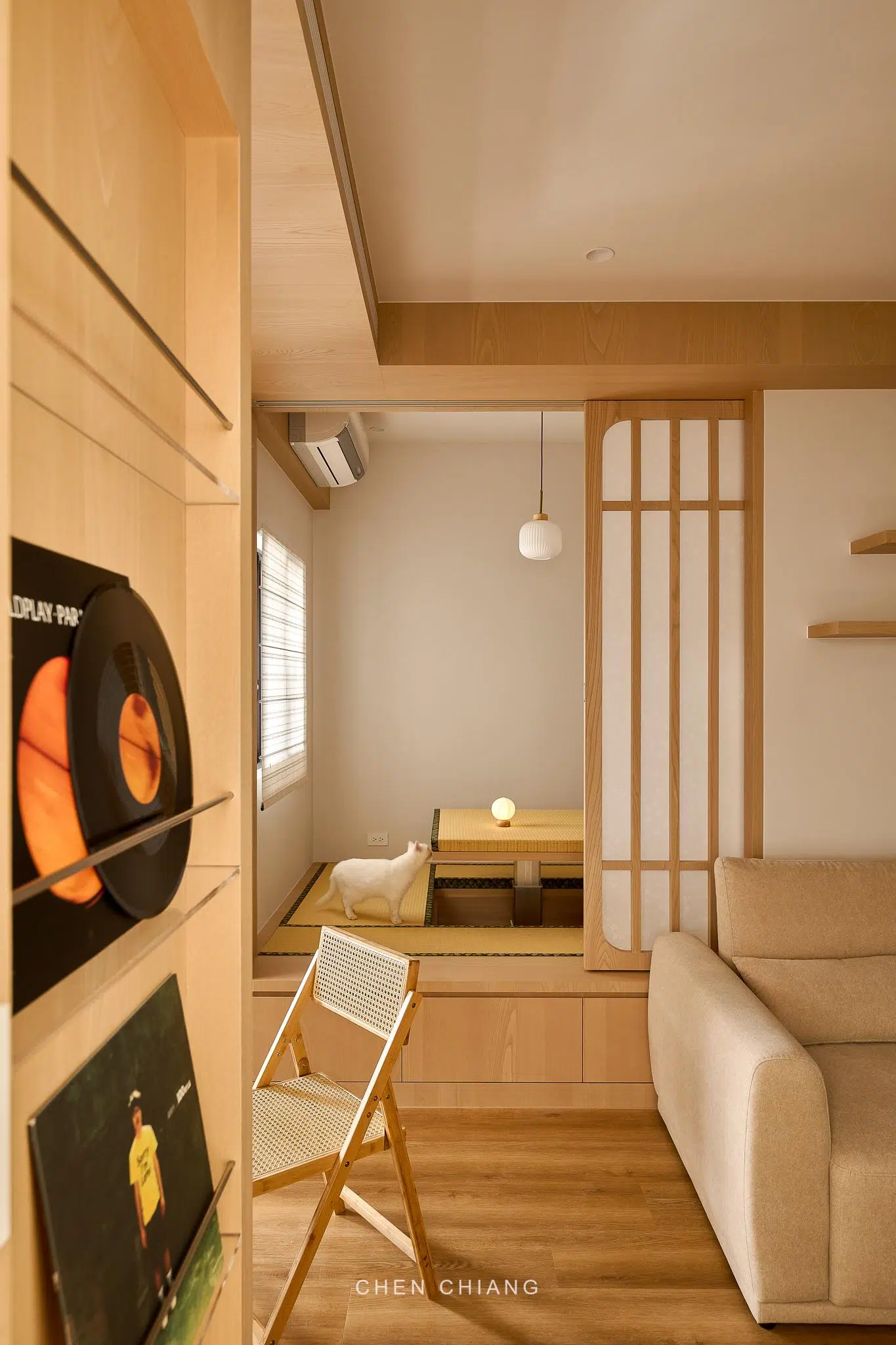
也讓光成為另一種材質,在木紋、格柵與留白之間緩緩移動。
沒有刻意張揚的造型,也沒有為了設計而存在的設計。
只是希望某一天,當晨光穿過窗簾落進屋裡,
當燈光在傍晚一盞一盞亮起,當餐桌開始有了使用的痕跡、櫃子裡放進熟悉的物件。
這裡不會像一件完成後只能被欣賞的作品。
而會真正成為他們生活的一部分。
從一份簡報開始,到一個家的完成。
我們陪著他們,把原本只存在於想像裡的畫面,一點一滴帶進現實。
而在最後回頭看這個空間時,我們才發現:
原來一路以來,我們真正設計的,從來都不只是木頭、光線與尺度。
而是那些還沒發生,卻已經值得被好好安放的日常。
Some stories of home begin the moment the keys are handed over.
Others have already begun to take shape, quietly, long before we ever meet.
Before our first meeting, we received a presentation.
It wasn’t filled with technical design language. Instead, it carefully gathered the homeowners’ aesthetic preferences, everyday habits, and the many small yet meaningful expectations they held for their future home.
We went through it more than once.
And gradually, we realized that what we had received was more than a list of requirements.
It was a glimpse into the life they imagined building together.
What they loved, what mattered to them;
where they naturally lingered throughout the day;
what made a space feel comfortable, and above all, how they hoped to feel each time they came home.
So when we finally sat down together for the first time, we didn’t begin by talking about style.
We talked about life.
Because before deciding what material should cover a wall, there was something far more important we wanted to understand
How would the people who call this place home actually live within it, day after day?
Only then did the design truly begin.
We reconsidered the layout, refined every circulation path, and repeatedly imagined the home not as an empty space, but as a place already filled with the rhythms of everyday life.
Where would the morning light fall as they stepped out of the bedroom?
What would come into view while sitting at the dining table?
After arriving home and setting their belongings down, what would their next movement naturally be?
These seemingly insignificant moments became the reasons behind countless design decisions.
Because a home will be lived in far longer than it will ever be looked at.
And what we wanted to create was never simply a beautiful space.
As the drawings gradually took shape, we began searching together for the textures that would belong to this home.
We looked at flooring, compared tiles, and ran our hands across material after material.
We considered the weight and softness of the curtains, the warmth of the lighting, and how each piece of furniture would eventually settle into the space.
Through every conversation, every comparison, and every decision, the character of the home slowly became clearer.
In the end, we chose to let timber take the lead.
Warm wood tones extend throughout the interior, quietly connecting one part of daily life to another. Light becomes a material of its own, moving gently across timber grains, screens, and moments of stillness.
There are no forms created simply to demand attention,
and no gestures made merely for the sake of design.
Instead, we imagined a day when morning light would filter through the curtains; when lamps would begin to glow one by one at dusk; when the dining table would carry traces of everyday use, and familiar belongings would slowly fill the shelves.
By then, this place would no longer feel like a completed work meant only to be admired.
It would simply become part of their life.
From a single presentation to the completion of a home,
we had the privilege of accompanying them as something once held only in imagination gradually became real.
And looking back at the space now, we realize that what we were designing all along was never merely timber, light, or proportion.
It was all the days that had yet to happen—
days already worth making room for.
CONTACT US→